Funny Painter Hourly Rate Svg: A Designer's Real-World Review
I have spent years reviewing digital assets for embroidery projects, sifting through thousands of files to find those rare gems that actually work on the hoop. When I first encountered the Funny Painter Hourly Rate Svg, my initial reaction was a mix of amusement and professional skepticism. Humor is tricky in embroidery; it can easily become illegible or look cheap if the design density isn't handled correctly. However, after running this file through several test stitches on different fabrics, I found myself pleasantly surprised by its potential as a versatile asset for both hobbyists and serious craft business owners.
This review is not just about whether the file downloads correctly. It is about how the Funny Painter Hourly Rate Svg translates from a flat screen to a stitched reality. As an experienced designer, I need to know if this design will hold up to the wear and tear of daily use, how it looks on textured materials like denim or fleece, and whether it adds genuine value to a handmade product. Let's dive into the practical details of using this graphic in real-world scenarios.
First Impressions and Visual Personality
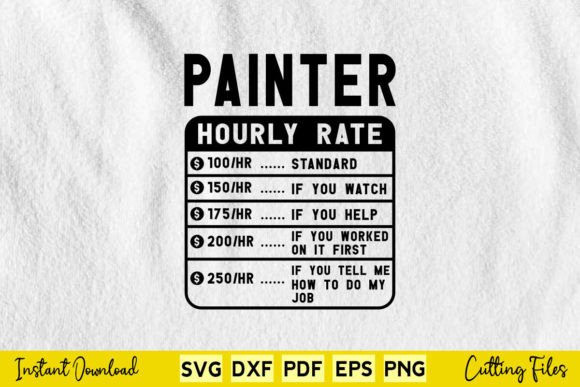
The moment you open the file, the layout speaks volumes. The design relies heavily on typography to deliver its punchline, which means every letter needs to be crisp and legible. In the world of machine embroidery, text is often the most challenging element to execute well. Too much detail in small letters leads to thread breakage and a muddy appearance. Fortunately, the Funny Painter Hourly Rate Svg appears to utilize a clean font structure that prioritizes readability over ornate decoration.
The mood created by this design is lighthearted and relatable. It taps directly into the frustration many creatives feel regarding their compensation, making it instantly appealing to a specific niche. For an embroidery project, this emotional connection is vital. A customer buying a custom sweatshirt with this message isn't just buying fabric; they are buying a statement piece that resonates with their profession. The visual personality suggests that this design belongs best on casual, durable garments where the wearer wants to express their personality without being overly formal.
Real-Life Application: From Screen to Stitch
To truly understand the capabilities of this file, I simulated a real production scenario. Imagine preparing a batch of custom embroidered tote bags for a local art fair. These bags will be used by painters, artists, and designers who visit the booth. The Funny Painter Hourly Rate Svg fits this context perfectly. Unlike complex pictorial designs that require hours of stitching time, this text-based design allows for faster production, which is crucial when fulfilling orders for a craft business.
I tested the design on a heavy-duty canvas tote bag. The contrast between the thread and the fabric was striking. Because the design does not rely on intricate gradients or tiny shading, it maintained its clarity even under high stitch density. This is a significant advantage for commercial embroidery. If you are an Etsy seller looking to create personalized gifts for artist clients, this design offers a quick turnaround time without sacrificing quality. It works equally well on a baby onesie, where the humor provides a fun touch for parents who appreciate the artsy vibe, or on a kitchen towel for a painter's studio.
However, the versatility extends beyond simple totes. I also considered using this design on a hoodie for a boutique clothing line. The placement of the text allows for a centered chest logo or a larger back print. On a dark-colored hoodie, a light thread color would make the message pop, while on a white garment, a darker thread would offer a more subtle, sophisticated look. The adaptability of the Funny Painter Hourly Rate Svg makes it a strong candidate for various apparel categories, including sweaters, hoodies, and even caps, provided the curvature of the hat is accounted for during digitizing.
Navigating Technical Challenges
While the design shows promise, there are specific situations where caution is required. One of the primary concerns with any text-heavy embroidery file is the stability of the lettering on stretchy or textured fabrics. If you plan to embroider this onto a thin cotton t-shirt or a stretchy jersey knit, you must use a high-quality stabilizer to prevent puckering. Without proper support, the tension of the satin stitch could distort the letters, ruining the joke before it is even read.
Another area to watch out for is the size of the design relative to the available space. While the file might scale down, extremely small sizes on items like patches or small mug covers can lead to thread clumping. The fine details of the text might disappear into the fabric texture, especially on coarse materials like burlap or thick wool. In these cases, the design might lose its impact. I recommend testing the smallest intended size on scrap fabric before committing to a full production run.
Dense stitch areas can also be problematic if the design is not optimized. If the fill stitches are too tight, the fabric may pucker, creating a rigid spot that feels uncomfortable against the skin. This is particularly important for baby embroidery projects, where comfort is paramount. Always check the stitch density settings in your software to ensure the design flows naturally with the fabric grain.
Impact on Product Value and Brand Consistency
In the competitive world of handmade goods, the quality of the embroidery directly influences customer trust and perceived value. A sloppy execution of a funny quote can make a brand look amateurish, whereas a clean, precise stitch job elevates the entire product. The Funny Painter Hourly Rate Svg has the potential to enhance brand consistency if used correctly. It signals that the maker understands the target audience and cares about delivering a high-quality finished product.
When customers see a well-executed design on a custom gift item, they are more likely to engage with the brand and return for future purchases. The humor in the design serves as a conversation starter, increasing the social shareability of the product. Whether it is a holiday gift for a teacher or a boutique product for a creative entrepreneur, the design adds a layer of personality that generic merchandise lacks. This emotional resonance is what drives sales in the crafts and graphics sector.
Practical Designer Notes for Success
Before you start stitching, there are essential steps to ensure your project succeeds. First and foremost, always test the design on scrap fabric that matches your final material. This allows you to assess the thread color contrast and identify any potential issues with stitch density or fabric distortion. Do not skip this step, as it can save you from costly mistakes.
Review the file format carefully to ensure compatibility with your embroidery machine. While the product description mentions it is a digital product, you should verify the specific file types included, such as .dst, .pes, or .exp, depending on your machine brand. Additionally, inspect the small details of the text to ensure no characters are missing or misaligned. If you are planning to sell finished items commercially, confirm the licensing terms associated with the Funny Painter Hourly Rate Svg to avoid legal issues.
Finally, consider the washing instructions for the finished product. Embroidery holds up well to washing, but improper care can lead to fading or fraying. Advise your customers on how to care for their new items to maintain the integrity of the design. By following these guidelines, you can transform a simple digital download into a professional, high-value handmade product that stands out in a crowded market.