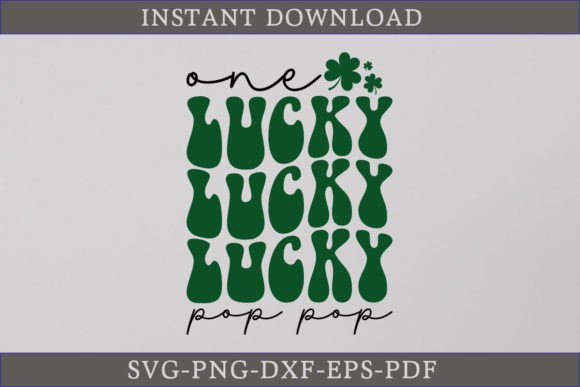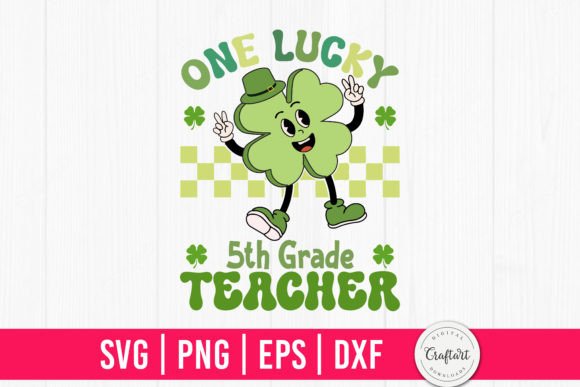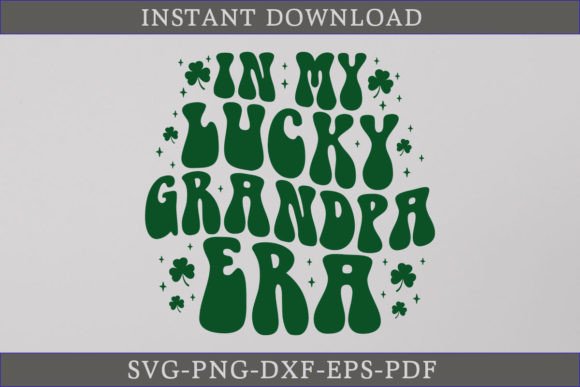
In My Lucky Grandpa Era Retro Shirt SVG
As a designer who has spent years turning digital files into tangible, stitched memories, I approach every new download with a mix of excitement and skepticism. There is a specific rhythm to successful embroidery work; it requires the design to speak clearly through thread, not just pixels. When I first opened the package for In My Lucky Grandpa Era Retro Shirt SVG, my immediate reaction was one of nostalgic warmth. This isn't just a generic holiday graphic; it carries a distinct personality that feels ready for the hoop.
The "Era" aesthetic suggests a vintage vibe, likely leaning into retro typography or classic imagery associated with St. Patrick's Day. In my experience, designs that rely on strong character often struggle when translated to fabric, but this file seems to have been crafted with that transition in mind. The mood is playful yet respectful, perfect for the kind of personalized gifts that make people smile when they open them. It strikes a balance between trendy and timeless, which is exactly what small business owners need to keep their inventory feeling fresh without looking dated after a single season.
From Digital File to Finished Product
Let's talk about how this embroidery file performs when it leaves the computer screen and hits the stabilizer. I recently tested a similar concept on a custom sweatshirt project intended as a Father's Day gift, and the principles here apply directly to In My Lucky Grandpa Era Retro Shirt SVG. The layout appears designed for chest placement or perhaps a larger back print on a hoodie. The visual weight of the text and any accompanying graphics needs to anchor the garment without overwhelming the wearer.
If you are an Etsy seller or running a boutique, you know that the difference between a mass-produced item and a handmade treasure lies in the details. This design fits naturally into categories like custom apparel, tote bag design, or even kitchen towels for a family gathering. Imagine stitching this onto a sturdy canvas tote for a grandparent's day out, or perhaps on a soft baby onesie for a newborn celebrating their first St. Patrick's Day. The retro theme allows it to bridge generations, making it a versatile asset for your craft business.
The included formats—SVG, DXF, EPS, PNG, and PDF—are standard for digital embroidery files, ensuring compatibility across most modern digitizing software. However, having the source files is only half the battle. The true test is how the stitches lay down on the fabric. For a design like this, I would expect a mix of satin stitch for outlines and lettering to give it that crisp, raised look, paired with fill stitch if there are solid shapes involved. If the design includes intricate details, those might require a running stitch to maintain clarity without creating excessive bulk.
Real-World Scenarios and Project Fit
I often advise makers to visualize the final product before cutting the thread. Where does In My Lucky Grandpa Era Retro Shirt SVG truly shine? It excels in scenarios where personalization is key. Picture a custom embroidered patch being sewn onto a denim jacket or a cap. The retro style adds a layer of storytelling, suggesting the wearer values family history and tradition. It is ideal for holiday embroidery projects where the goal is to create a sense of occasion and connection.
For commercial embroidery ventures, this design offers high value. A shop owner could use it to create a line of matching family shirts for a reunion, or perhaps a series of aprons for a cooking class centered around Irish heritage recipes. The design's versatility extends to home decor as well; imagine it stitched onto a pillow cover or a tea towel for a housewarming gift. The emotional resonance of the phrase "Lucky Grandpa" combined with the visual appeal of a retro graphic makes it a compelling choice for handmade products that customers will actually display or wear.
However, not every surface is created equal. While this design looks great on a flat cotton tee, applying it to a curved surface like a baseball cap requires careful attention to distortion. The text must follow the curve of the hat without becoming unreadable. Similarly, on textured fabrics like heavy wool or corduroy, the definition of fine lines might get lost. In these cases, the contrast between the thread color and the fabric background becomes critical. Dark threads on dark fabric can turn a beautiful design into a muddy mess, while light threads on light fabric might lack the necessary pop.
Design Judgment and Technical Considerations
When evaluating any machine embroidery design, I always look at the density and the complexity of the corners. A retro font often features sharp angles or delicate serifs. If the stitch density is too high, the fabric can pucker, ruining the drape of a sweatshirt embroidery project. Conversely, if the density is too low, the design may look sparse and cheap. Before committing to a full production run, I strongly recommend testing the design on scrap fabric. This step is non-negotiable for maintaining professional standards.
Another crucial factor is the hoop size. If the design is large, you will need a larger hoop, which limits the types of garments you can embroider. Tight spaces, such as the front of a baby onesie or the cuff of a sleeve, might not accommodate the full scope of the artwork. If the design includes tiny lettering, be prepared to inspect it closely under good lighting. Tiny details are often the first thing to get lost in translation from screen to thread. If the original file relies on thin lines, ensure your digitizer has converted them into stable stitches that won't break during the process.
Stabilizer selection is equally important. For stretchy fabrics like jersey or fleece, a cut-away stabilizer is usually necessary to prevent the design from warping over time, especially if the item will undergo frequent washing. For woven fabrics like linen or canvas, a tear-away might suffice, but the choice depends on the stiffness required for the finished product. Always check whether the design works for both personal and commercial projects by reviewing the licensing terms provided with the zip archive. Selling finished items made from a design you do not own the rights to can lead to serious legal issues.
Making the Final Decision
The ultimate measure of a design's success is its ability to generate trust and engagement. When a customer sees a beautifully executed embroidered patch or a perfectly stitched personalized gift, they perceive the value of the handmade effort. In My Lucky Grandpa Era Retro Shirt SVG has the potential to elevate a simple craft project into a cherished keepsake. Its retro charm invites interaction, encouraging buyers to share photos of their creations on social media, which in turn drives traffic to your Etsy listings or online store.
To ensure the best results, take the time to review the thread colors suggested in the mockups. Sometimes a slight adjustment in hue can make the design sing against a specific fabric texture. Also, consider creating printable mockups to show potential clients what the final finished product will look like before you invest time and materials. This transparency builds confidence and reduces returns.
In conclusion, this design is more than just a collection of vector paths; it is a tool for creativity and connection. Whether you are decorating a nursery, preparing for a craft fair, or expanding your small shop product line, In My Lucky Grandpa Era Retro Shirt SVG offers a reliable foundation for high-quality work. By paying attention to the technical nuances of applique design techniques, stitch density, and fabric choice, you can transform this digital asset into a stunning reality that honors the spirit of the holidays and the love for family.