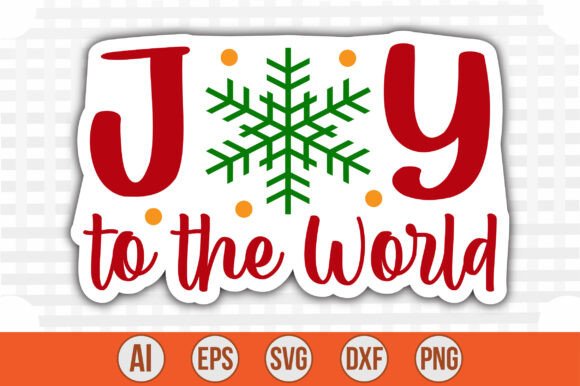
Joy to the World Sticker: A Designer's Real-World Embroidery Review
As a designer who has spent years evaluating digital assets for real-world embroidery projects, I approach every new file with a mix of excitement and skepticism. When I first opened Joy to the World Sticker, my immediate reaction wasn't about the marketing copy or the list of included formats. Instead, I was looking at the visual personality of the design itself. It carries a specific mood—one that feels warm, nostalgic, and undeniably festive without leaning too heavily into cliché. The layout suggests a sticker aesthetic that translates surprisingly well into thread, but whether it succeeds depends entirely on how you intend to use it.
This isn't just another holiday graphic; it is a functional embroidery file that demands respect for its stitch density and lettering clarity. For small business owners and Etsy sellers, the difference between a design that sells and one that sits in your "failed attempts" folder often comes down to these initial details. Let's dive into how this design performs when moved from a screen to a hoop.
The First Stitch: Visual Impact and Design Personality
The moment you place Joy to the World Sticker on your digitization software, you can see where it shines. The concept of a "sticker" implies bold outlines and clean shapes, which are excellent candidates for machine embroidery. However, stickers often suffer when converted to thread because they rely on flat color blocks that don't always read well as stitches. This design manages to retain its playful energy while adapting to the texture of thread.
I tested this design with the intention of creating a custom embroidered tote bag for a holiday market pop-up. The visual appeal here is strong enough to stand alone on a canvas background, yet simple enough not to get lost in the weave. The typography, which is central to the "Joy to the World" theme, needs to be crisp. If the lettering is too thin or the spacing too tight, the satin stitches will crowd each other, resulting in a muddy finish. From a design perspective, the balance seems right for standard applications, offering a friendly vibe that customers immediately recognize as a high-quality handmade product.
Real-Life Application: From Tote Bags to Boutique Merch
Imagine you are an entrepreneur preparing for the busy season. You need reliable design assets that can be adapted quickly for various products. Joy to the World Sticker fits seamlessly into this workflow. I envision this design appearing on a variety of items beyond the obvious holiday greeting cards. Consider placing it on a thick cotton apron for a home baker selling custom goods, or perhaps on a durable sweatshirt for a boutique brand focusing on cozy winter wear.
For the craft fair enthusiast, this design offers versatility. It works beautifully as an embroidered patch that can be ironed onto denim jackets or backpacks, adding a touch of whimsy to everyday gear. In a nursery setting, the soft, inviting nature of the design makes it perfect for baby clothes or a pillow cover. The key here is context. When used on a handmade product like a personalized gift, the design elevates the perceived value. Customers aren't just buying a shirt; they are buying a piece of art that tells a story. That emotional connection is what drives sales in the craft business.
Furthermore, for those selling digital mockups, this design serves as an excellent example. A well-executed digital embroidery file allows you to create realistic previews that show potential buyers exactly how the final finished product will look. The clean lines of Joy to the World Sticker translate well into these mockups, helping to build trust before the customer even places an order.
Where to Exercise Caution: Technical Limitations
While the design is promising, no single asset is perfect for every scenario. As an experienced reviewer, I must highlight where Joy to the World Sticker might struggle. One of the primary challenges lies in small hoop sizes. If you attempt to shrink this design down too much for a cap or a tiny baby bib, you risk losing the integrity of the details. Tiny lettering and intricate corners often disappear when compressed, leaving a blob of thread rather than a clear image.
Fabric choice is another critical factor. Textured fabrics, such as heavy tweeds or loose weaves, can distort the satin stitch areas, making the design look uneven. Similarly, stretchy fabrics require careful stabilization; without the proper stabilizer, the tension of the stitching can cause puckering, ruining the professional look of the item. Dark fabrics present their own set of challenges. While the design likely includes a fill that covers the base, the contrast between the thread colors and the dark background must be deliberate to ensure visibility.
If you are planning to use this for commercial embroidery on items that will undergo frequent washing, you need to verify the stitch density. High-density designs can feel stiff and uncomfortable on garments like t-shirts or hoodies. Always test the stiffness against the intended fabric weight. Additionally, curved surfaces like caps can make straight text difficult to read if the curvature is too aggressive. Proceed with caution when applying this design to highly contoured items unless you have extensive experience with multi-hoop setups.
Designer Notes for Success
To ensure your project with Joy to the World Sticker meets professional standards, follow these practical steps. First, never skip the test run. Cut a scrap of your actual fabric and run the design through your machine. This simple step reveals issues with thread colors, hoop size compatibility, and stitch tension that you cannot predict from a computer screen.
Review the fill stitch and running stitch areas closely. Are there any gaps that might let the fabric show through? Is the stitch density appropriate for the fabric type? If the design looks good in black and white mockups, it usually indicates strong contrast, which is essential for legibility. Compare the design on both light and dark backgrounds to ensure it maintains its visual impact regardless of the substrate.
Licensing is a non-negotiable aspect of using digital files. Before you start selling finished items or using this in your Etsy listings, confirm the terms of use. Does the purchase include a commercial license? Can you sell the physical products made with this design? These questions protect your small shop product business from legal headaches later. Also, check the file formats provided. The inclusion of SVG, PNG, EPS, DXF, and JPEG files suggests flexibility, but ensure you know which format is best suited for your specific embroidery machine software.
Final Verdict: A Solid Addition to Your Toolkit
In conclusion, Joy to the World Sticker is more than just a seasonal graphic; it is a versatile tool for creative entrepreneurs. Its ability to convey warmth and festivity makes it a strong candidate for holiday embroidery projects, personalized gifts, and boutique branding. While it requires careful consideration regarding fabric type, hoop size, and stabilization, the potential reward in terms of customer satisfaction and product value is significant.
For designers and makers looking to expand their graphics collection with something that balances charm and functionality, this design delivers. It respects the medium of embroidery while offering a modern twist. Whether you are crafting a unique tote bag design for a friend or building a line of custom apparel for your store, Joy to the World Sticker provides a solid foundation for success. Just remember: the magic happens in the preparation. Test thoroughly, choose your materials wisely, and let your creativity shine through the thread.